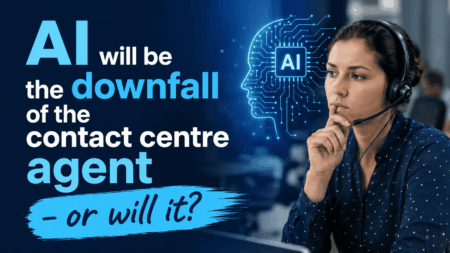
Artificial intelligence is transforming the contact centre industry at a pace few could have imagined just a few years ago. From AI-powered chatbots and automated call handling to real-time agent assistance and predictive analytics, contact centres are investing heavily in technology to improve efficiency and reduce costs. While this rapid adoption has led to concerns that AI will replace contact centre agents, the reality is far more complex. Rather than eliminating the role altogether, artificial intelligence is reshaping it.
 Today’s customers increasingly expect fast, accurate and personalised service. AI is well suited to handling simple, repetitive enquiries such as checking account balances, tracking deliveries, resetting passwords and answering frequently asked questions. These routine interactions can often be resolved within seconds without human intervention, reducing waiting times and allowing organisations to manage higher volumes of customer contacts.
However, not every customer interaction follows a script. Complex issues, emotional conversations and complaints still require the empathy, judgement and problem-solving abilities that only a human agent can provide. When customers are frustrated, confused or facing sensitive situations, they want reassurance from another person rather than an automated system. This is where contact centre agents continue to add significant value.
Instead of spending their day answering routine questions, agents are increasingly becoming specialists in handling more complicated and high-value interactions. As AI filters out the simpler enquiries, the average complexity of calls reaching human advisors is rising. This means agents require stronger communication skills, greater product knowledge and enhanced decision-making abilities than ever before.
Artificial intelligence is also becoming an important tool for agents rather than simply a replacement. Many modern contact centres now use AI-powered assistant technology that listens to conversations in real time, suggests responses, retrieves relevant knowledge articles and even summarises calls automatically once they have ended. These capabilities reduce administrative tasks, improve consistency and allow agents to focus more fully on the customer.
Training and development are also evolving. Future contact centre agents will need to become comfortable working alongside AI systems, understanding when to trust automated recommendations and when to rely on their own experience. Digital literacy, emotional intelligence and critical thinking are becoming just as important as traditional customer service skills.
There are, of course, legitimate concerns about job security. As organisations automate larger volumes of customer interactions, some entry-level positions may disappear. Businesses seeking to reduce operational costs may require fewer agents overall, particularly for voice-based support. However, history has shown that technological change often creates new roles alongside those it replaces. AI trainers, conversation designers, automation specialists and customer experience analysts are just some of the new careers emerging within the contact centre sector.
The organisations that achieve the greatest success are unlikely to be those that replace every human interaction with artificial intelligence. Instead, they will be the ones that find the right balance between automation and human expertise. Customers appreciate speed and convenience, but they also value empathy, understanding and personal service when it matters most.
The contact centre agent of the future will look different from today’s advisor, but the role will remain essential. Artificial intelligence will continue to automate routine work and enhance productivity, yet it cannot fully replicate the human qualities that build trust, resolve complex issues and create lasting customer relationships. Rather than signalling the end of the contact centre agent, AI represents an opportunity for the profession to evolve into a more skilled, more rewarding and ultimately more valuable role.