Ask most people to name a Dutch sporting strength and football will come up first, usually paired with the memory of Cruyff, Van Basten, or the near-miss finals of 1974 and 2010. Yet, the Netherlands, a country of roughly 17 million people, punches far above its weight in a handful of disciplines that rarely make global headlines. Behind the orange shirts and the famous Oranje chants sits a quieter story of structured youth development, climate-specific training, and smart federation funding.
Speed Skating: The National Obsession
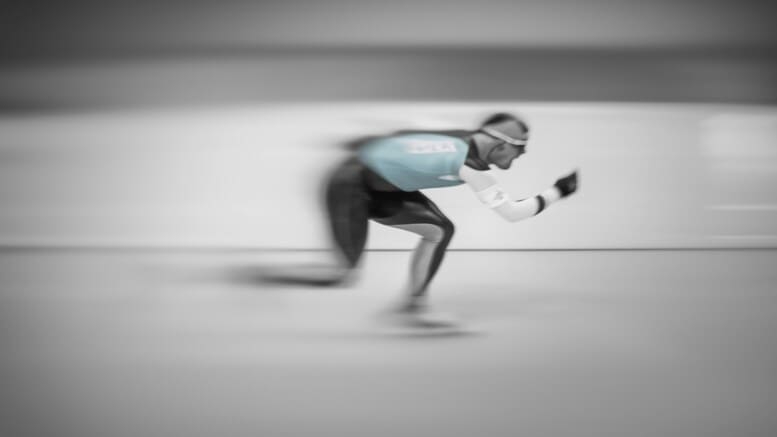
If any sport belongs to the Dutch, it is long-track speed skating. At every Winter Olympics since Sochi 2014, the Netherlands has collected more medals in this discipline than any other nation, often by a wide margin. The reason is partly geographic: a flat country crossed by canals that freeze most winters creates a natural pipeline of young skaters. The Thialf arena in Heerenveen then takes over, functioning as a year-round laboratory for technique, aerodynamics, and lactate thresholds.
Names like Ireen Wust, Sven Kramer, and Jutta Leerdam are household figures locally. The sport is treated with the seriousness that other countries reserve for football, with a professional team structure sponsored by banks, supermarkets, and energy firms.
Field Hockey: Quiet Dominance
Both the men’s and women’s Dutch field hockey teams sit permanently near the top of the world rankings. The women in particular have won multiple World Cups and Olympic golds, and the domestic Hoofdklasse is widely considered the strongest club league in the world. Clubs like HC Bloemendaal and Amsterdam attract international players want to train in a league where tactical discipline meets fast, technical hockey.
Cycling, Rowing, and Beyond
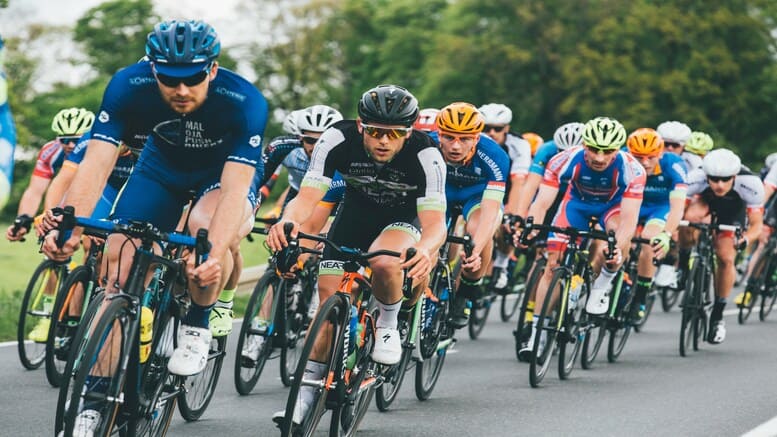
Cycling needs little introduction here. The country produces road racers, track specialists, and gravel riders in roughly equal measure. Mathieu van der Poel’s rise to global cyclocross and classics dominance is the most visible example, but the women’s peloton is where the Netherlands truly rules, with riders like Demi Vollering and Lorena Wiebes winning across every terrain.
A few other sports deserve a mention:
√ Rowing: A steady medal producer at World Championships, built around the Bosbaan course in Amsterdam.
√ Korfball: A mixed-gender invention from Amsterdam in 1902, with the Dutch national side the perennial world champion.
√ Darts: Michael van Gerwen alone has reshaped the sport, backed by a strong club culture.
√ Beach volleyball: A reliable medal threat at European level thanks to coastal training conditions.
Why the Numbers Add Up
Dutch success in these disciplines is rarely accidental. A combination of early-years sports education in schools, well-funded federations under NOC*NSF, and a cultural comfort with structured coaching produces athletes who peak at the right age.
Interest in these sports also fuels a healthy market around them, from merchandise to analysis platforms, and readers who follow the betting side can find Dutch-language coverage on hubs such as cazinouri.nl, where major federations and tournaments are tracked throughout the season.
What Comes Next
With new generations emerging in speed skating sprint events, women’s football, and 3×3 basketball, the Dutch medal portfolio keeps diversifying. The lesson for curious fans is simple: look past the football coverage, and you’ll find a country that treats smaller sports with the same seriousness as the big ones, and gets the results to match. For anyone exploring Dutch sport for the first time, these disciplines offer the clearest window into how the system actually works.